
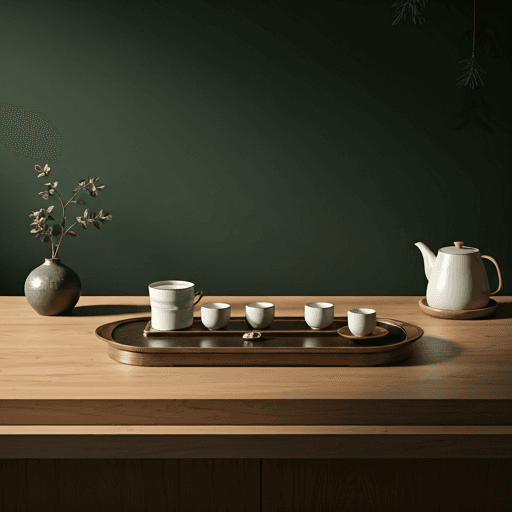
The Joseon Dynasty, spanning five centuries, was the bedrock of Korean identity. While many visitors today experience this history through a rented Hanbok and a quick palace photo, the soul of Joseon lies deeper within the Confucian philosophies that dictated every structural beam and every pour of tea.
The Architecture of Harmony
Joseon architecture was never meant to dominate the landscape. Instead, it followed the principle of baesanimsu (mountain behind and water in front). Walking through the courtyard of Gyeongbokgung, one notices how the rooflines mimic the silhouette of Mount Bugaksan in the distance.
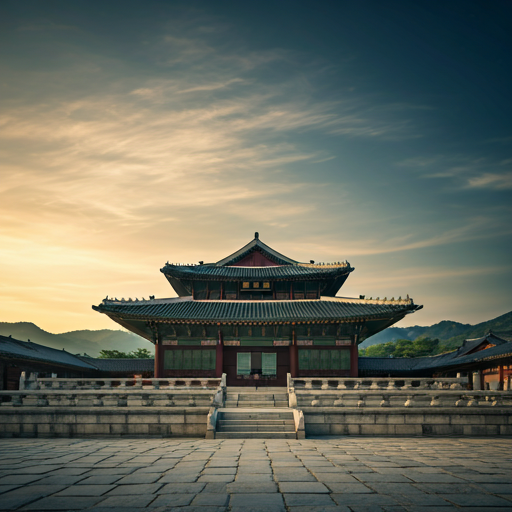
The Ritual of Stillness: Tea Ceremonies
Darye, the traditional Korean tea ceremony, was a meditative practice favored by royalty and scholars alike. Unlike the rigid structure of other East Asian tea traditions, Joseon Darye emphasized ease and naturalness. The focus was on the five senses: the sound of water boiling, the warmth of the celadon bowl, and the subtle floral notes of fermented tea.
To truly experience Korea, one must slow down to the pace of Joseon. It is in the long shadows of the palace at dusk and the quiet cooling of a tea bowl where the real story begins.